
Karlina Mitchell
20 March - 2 May 2026
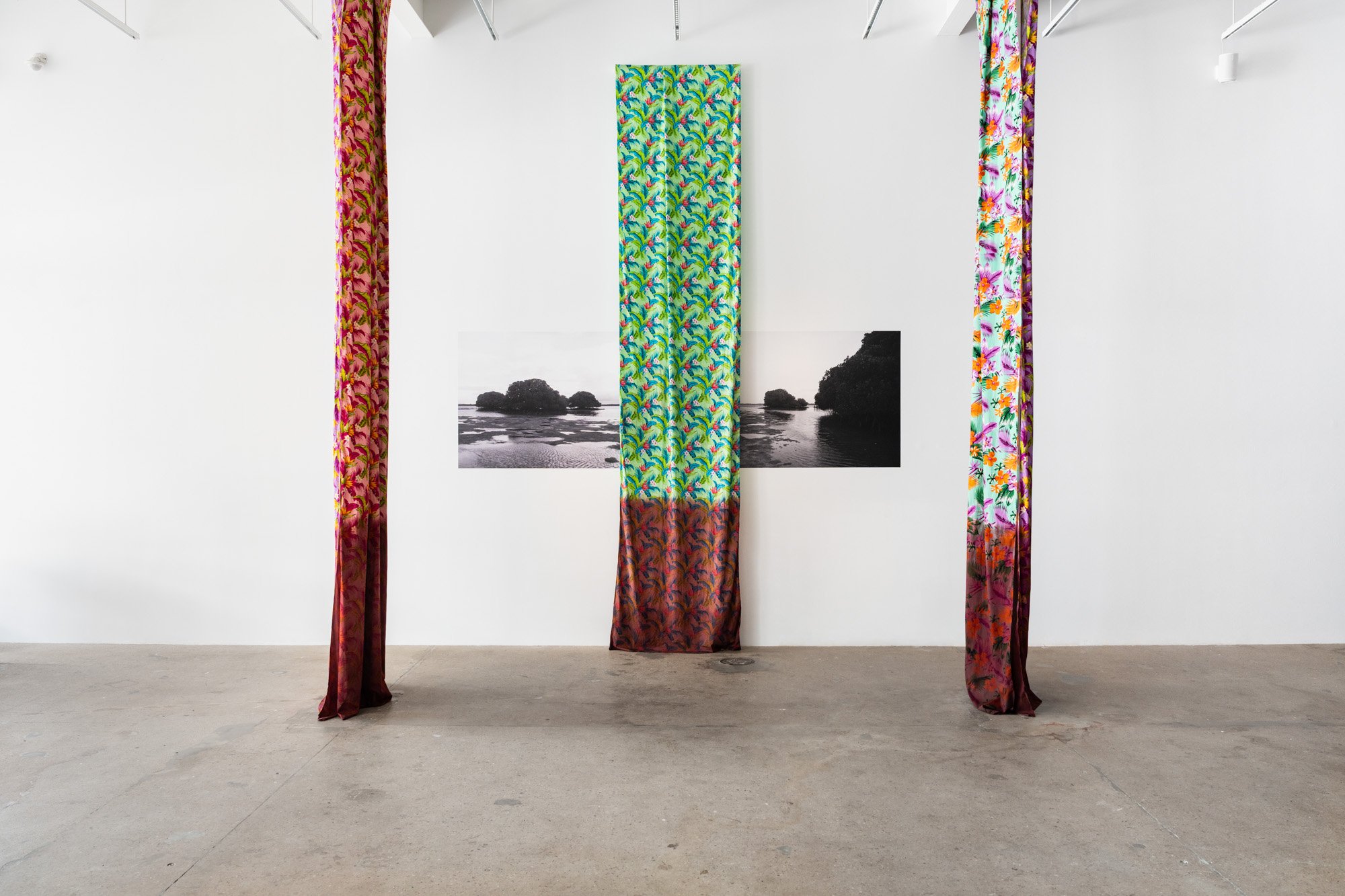
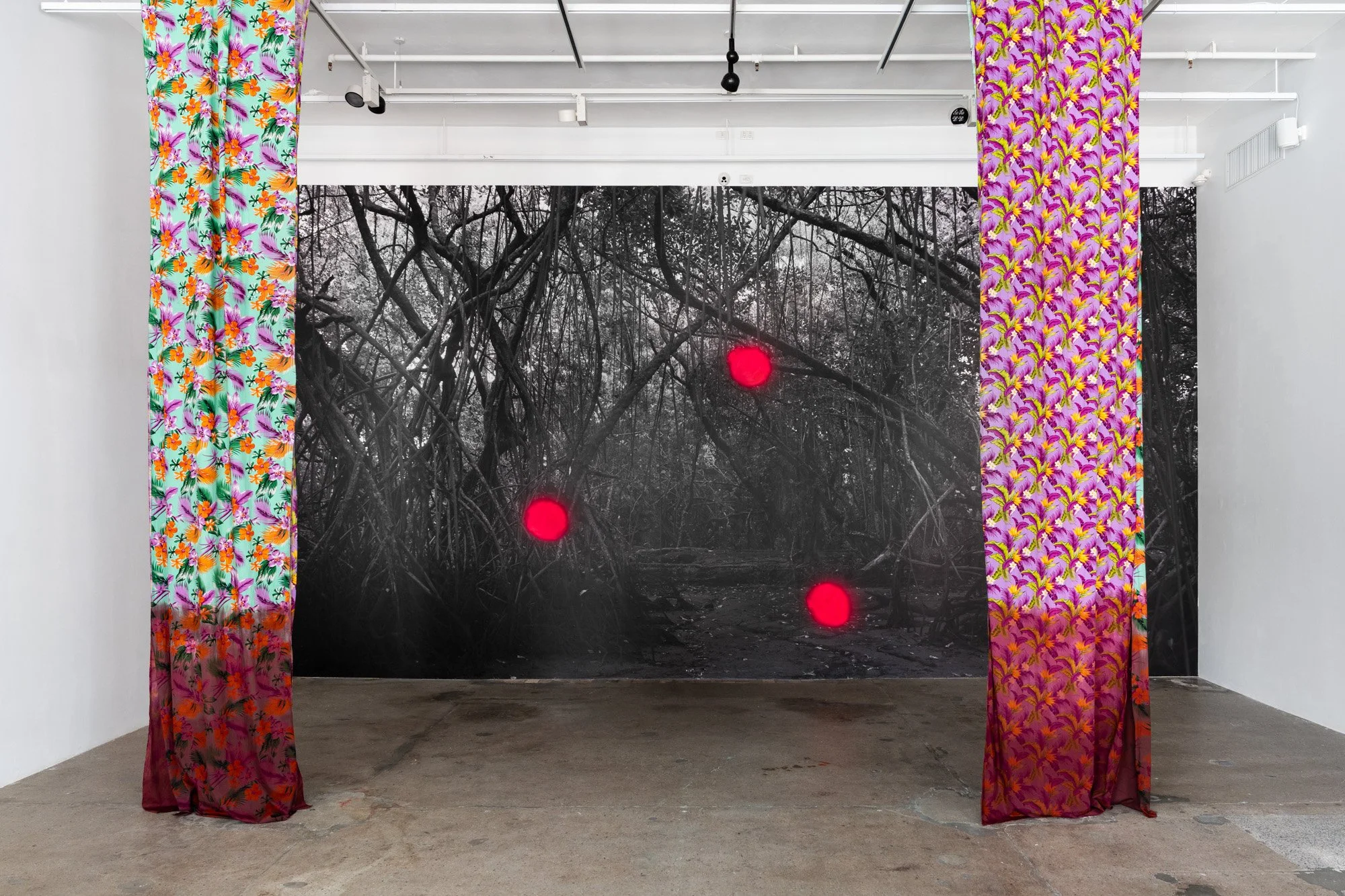
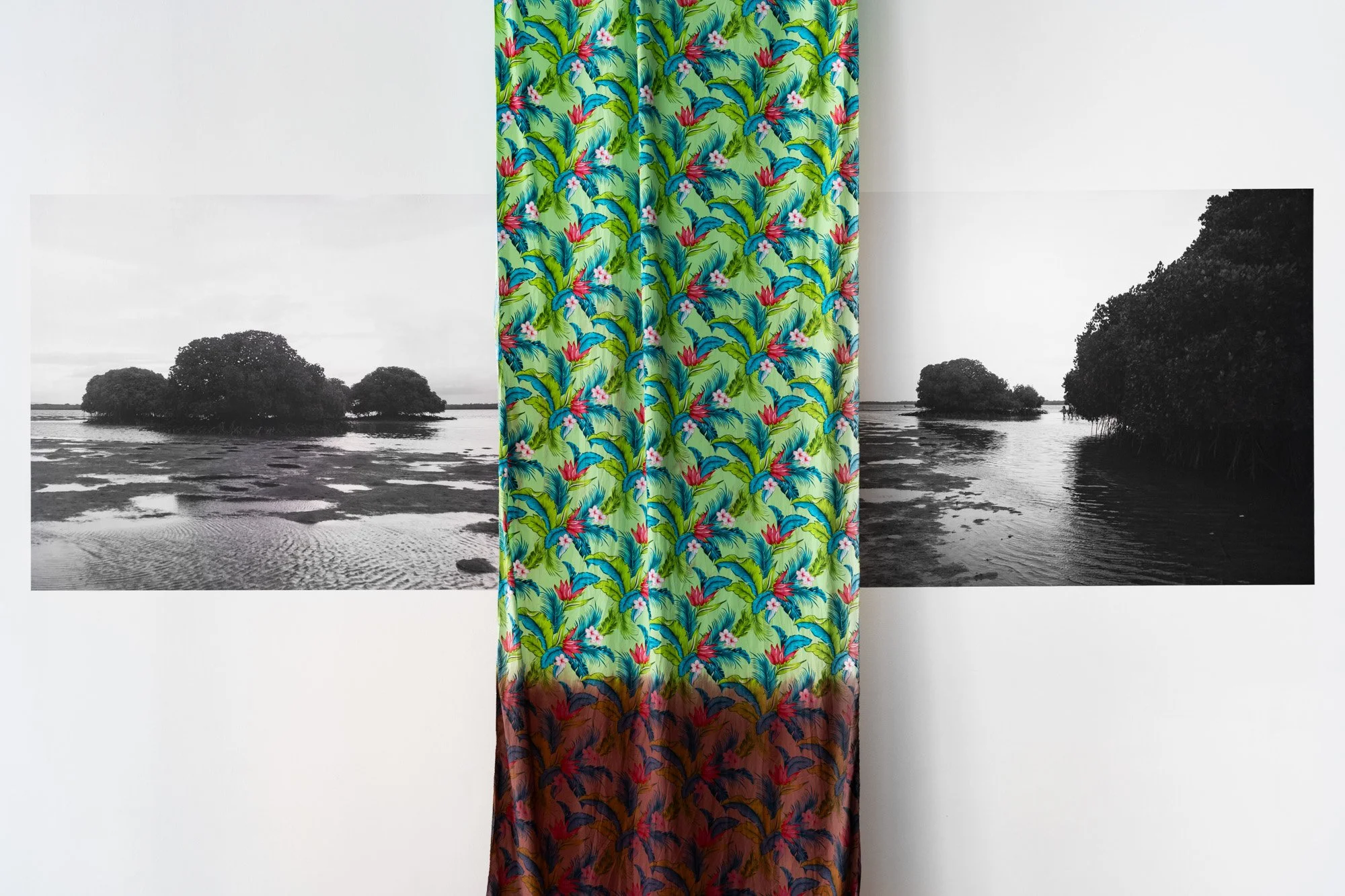
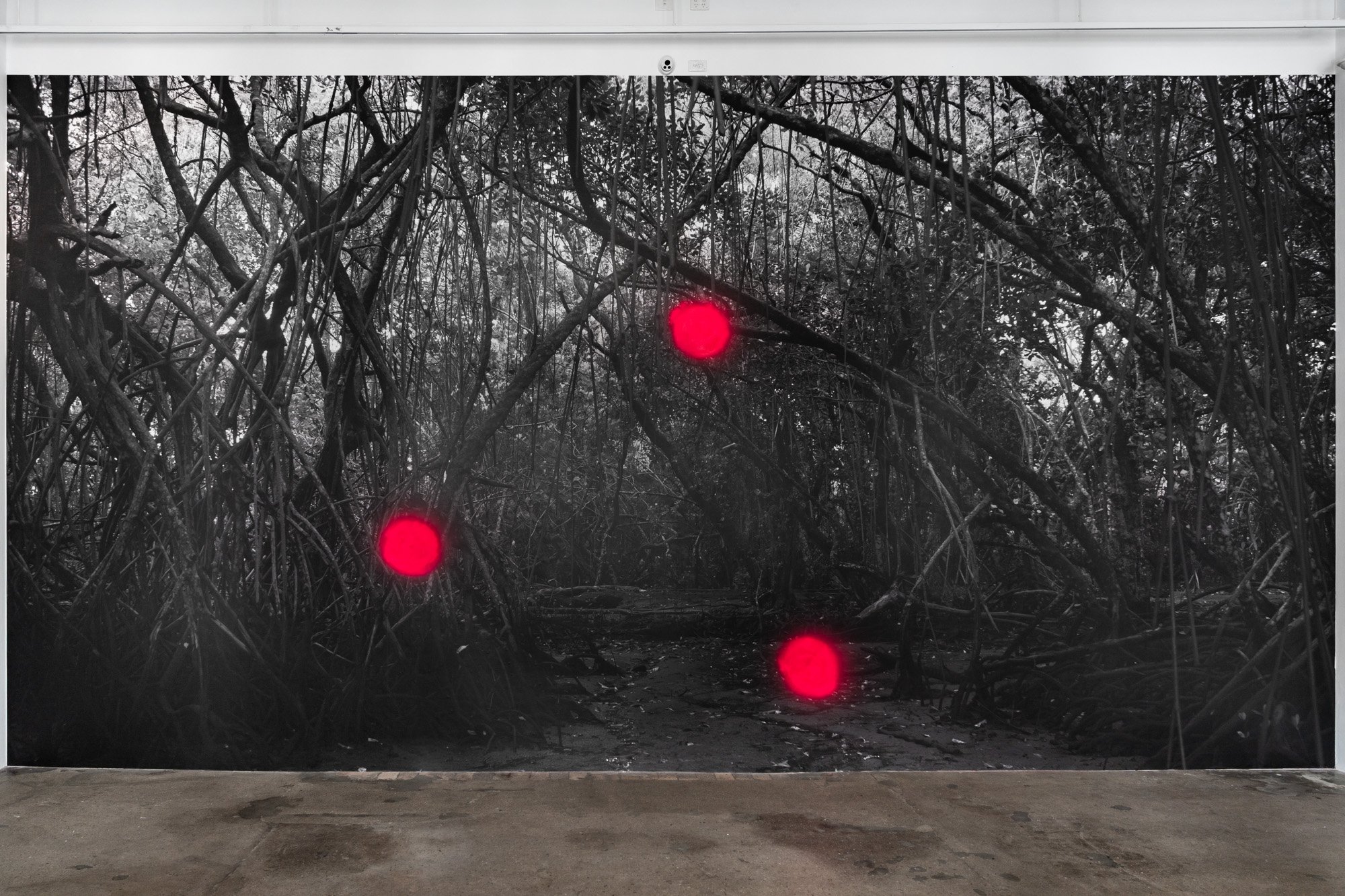
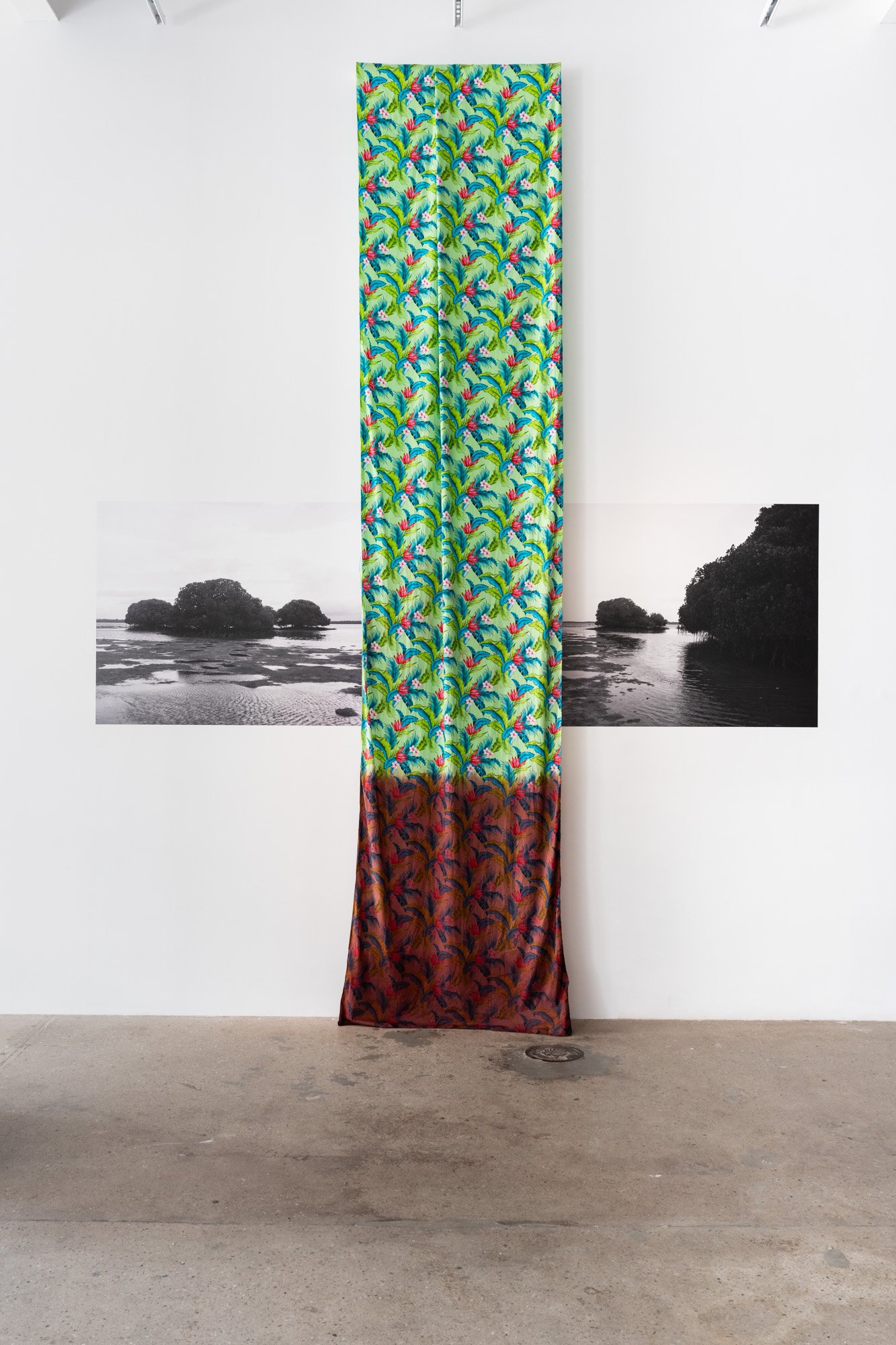
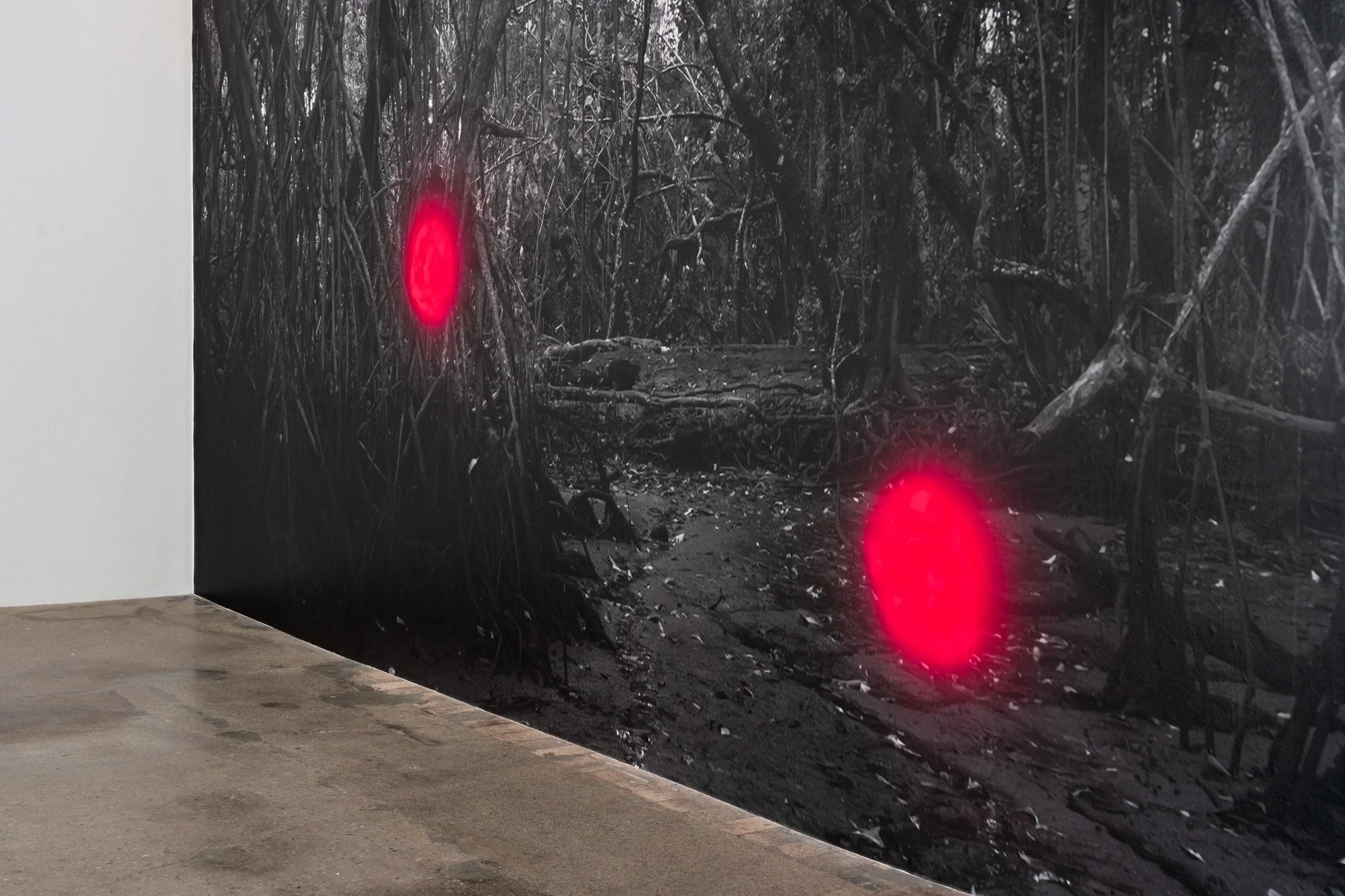
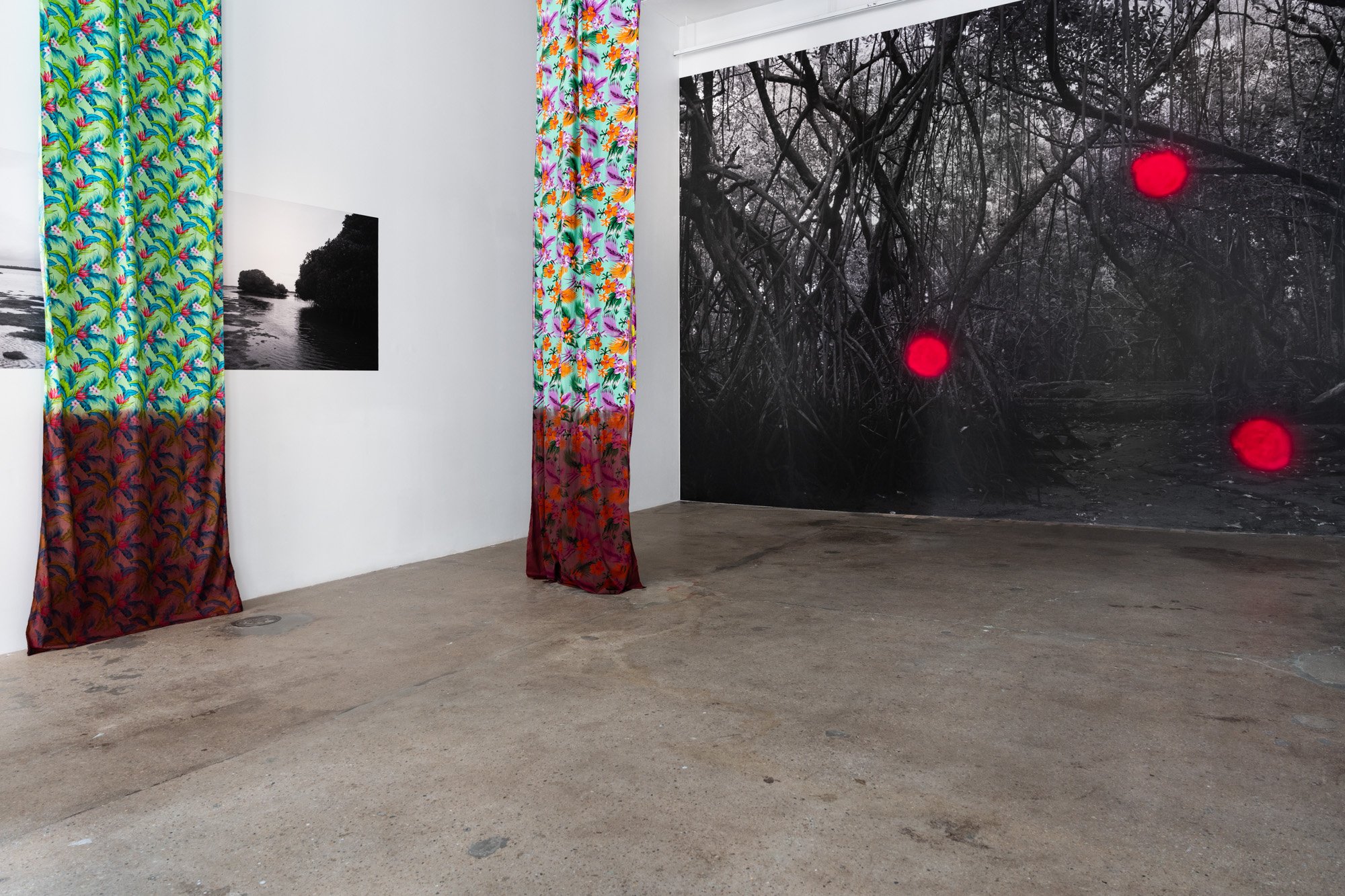
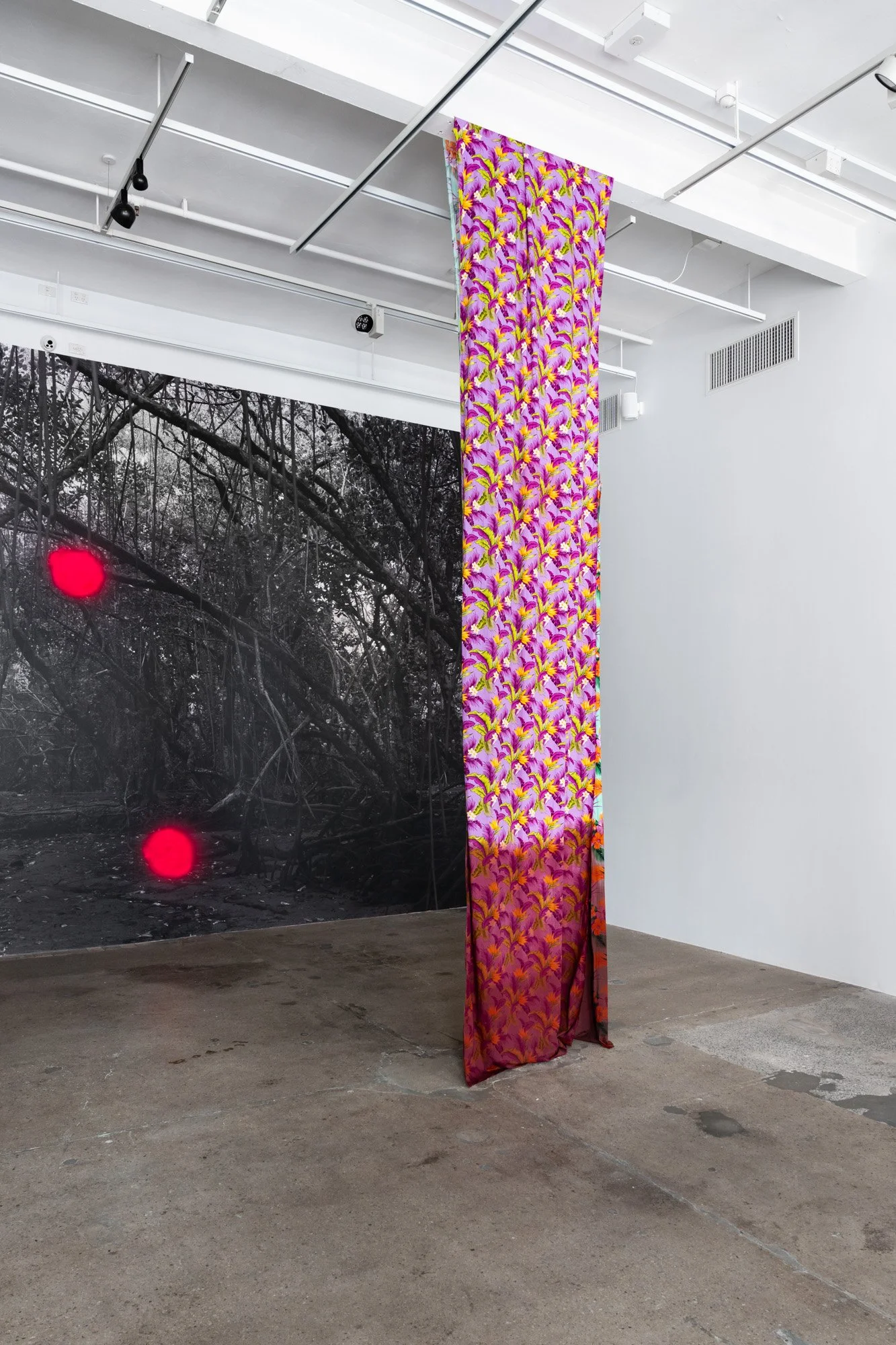
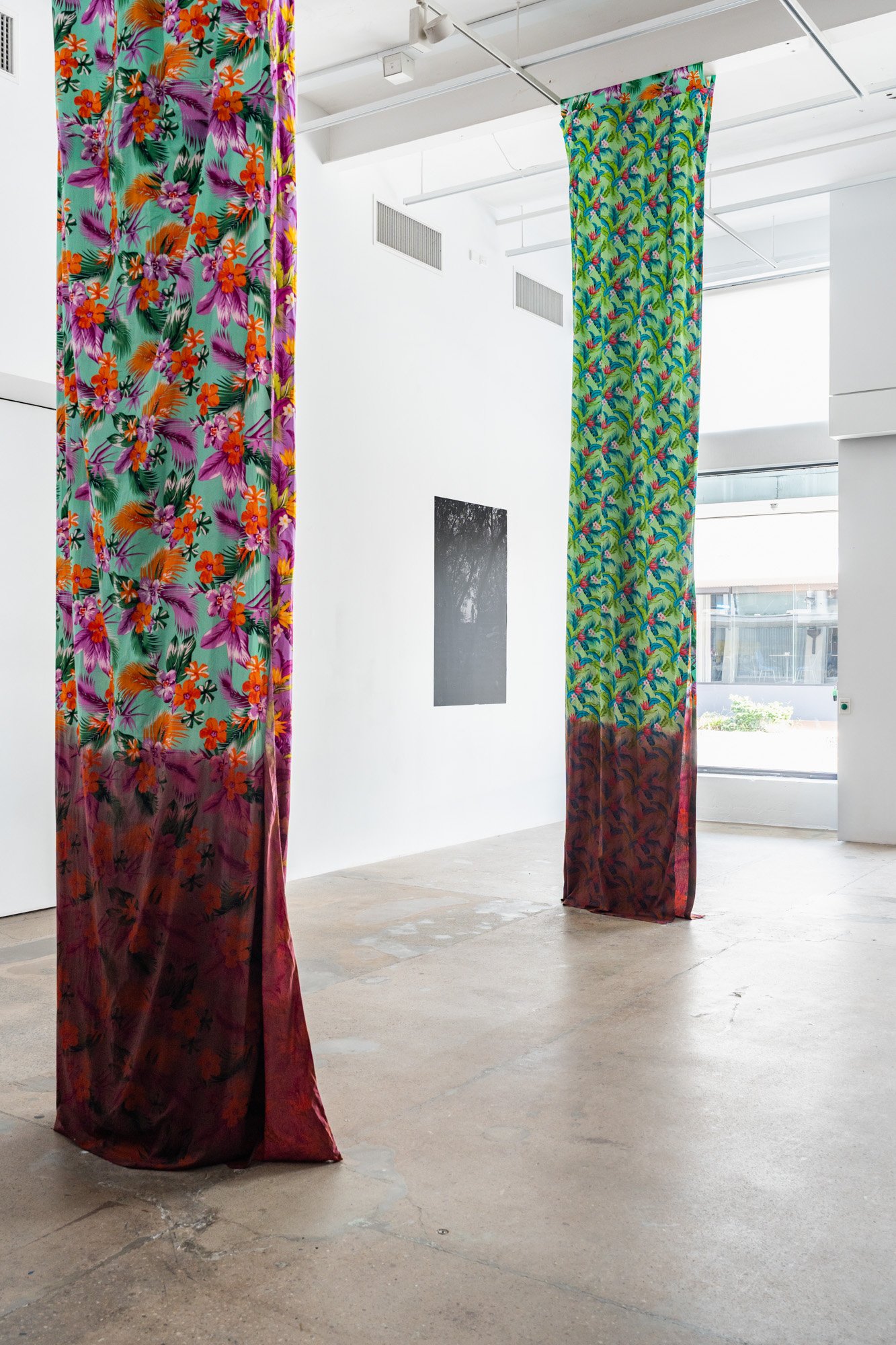
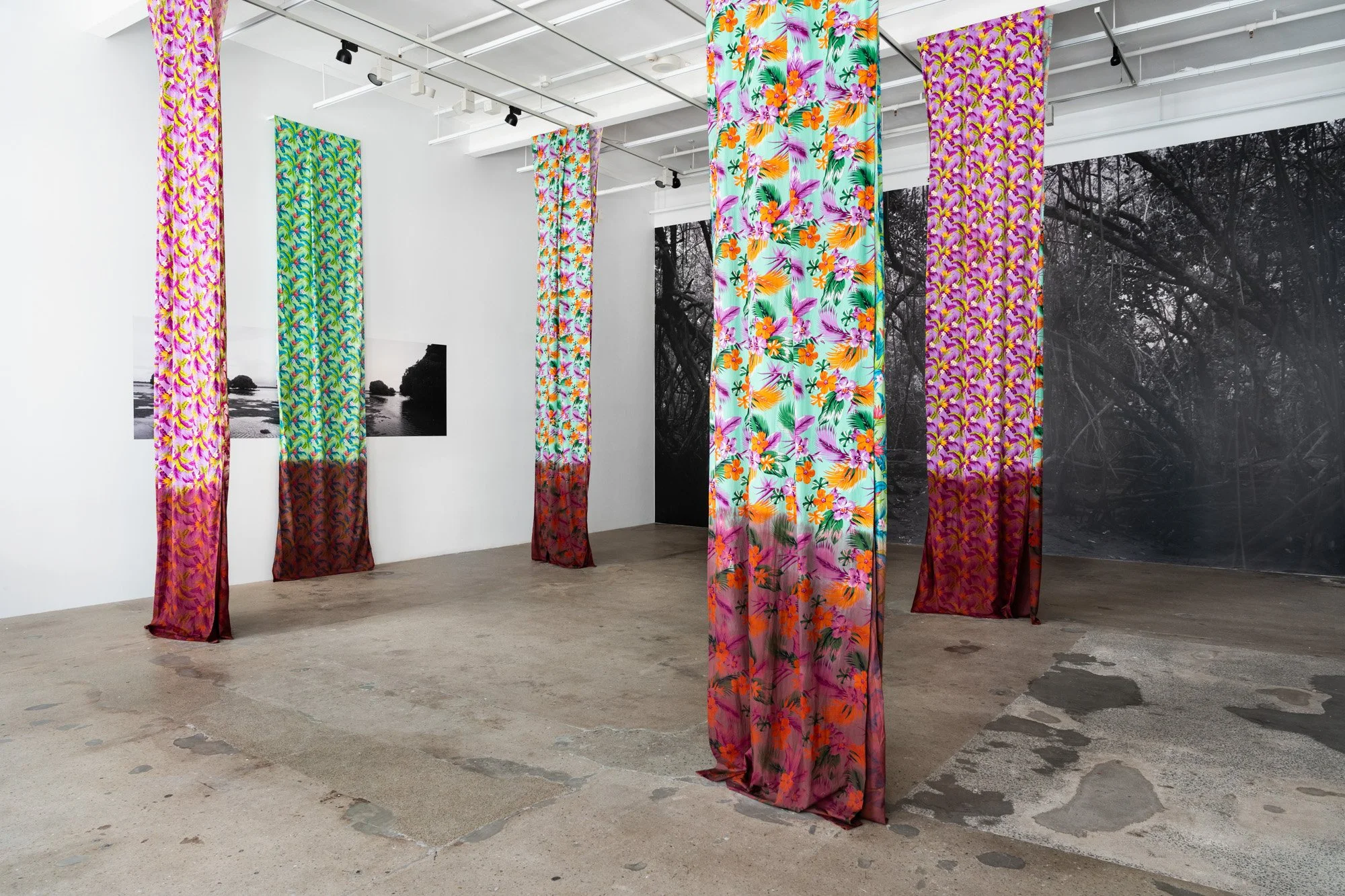
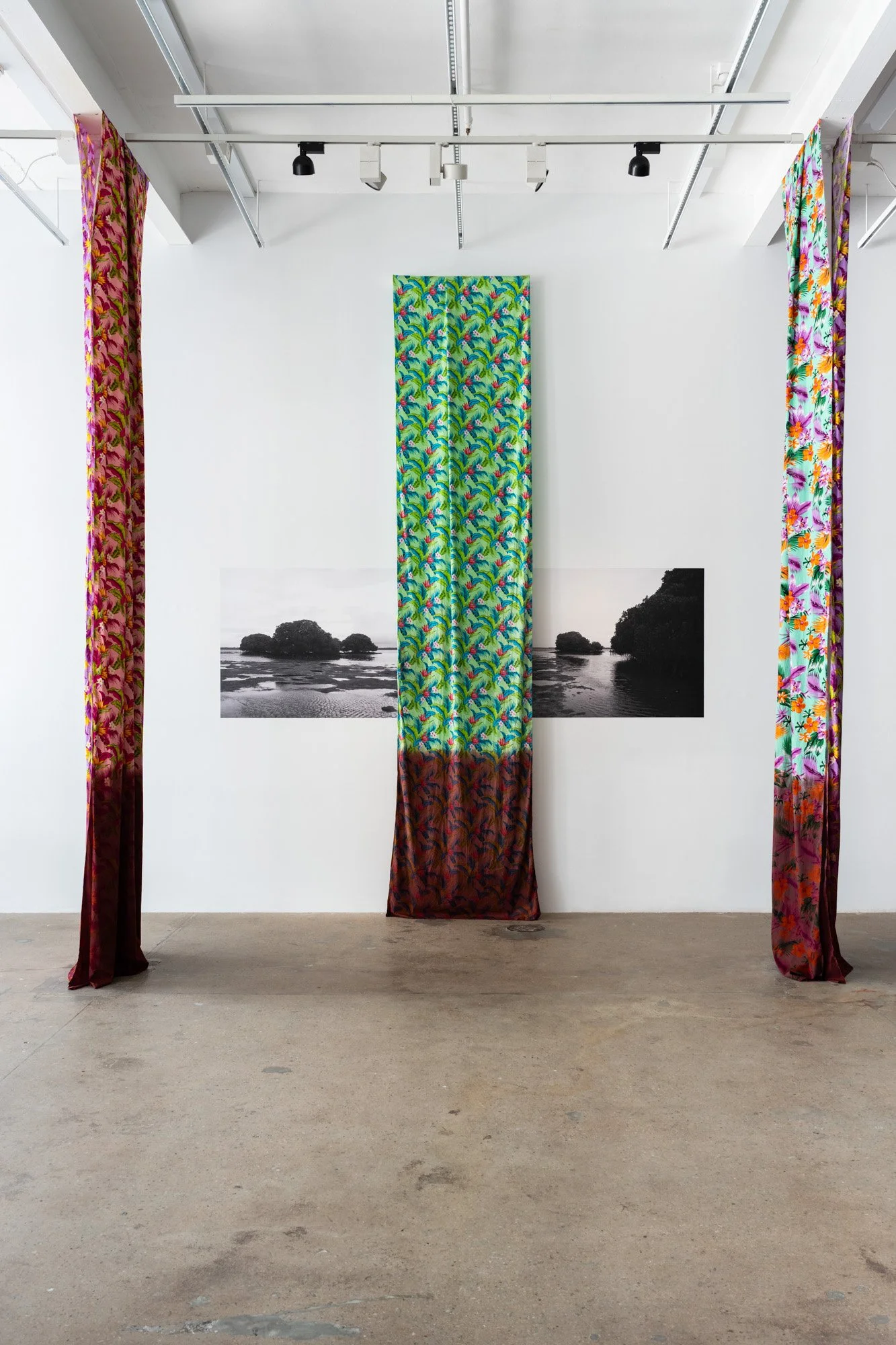
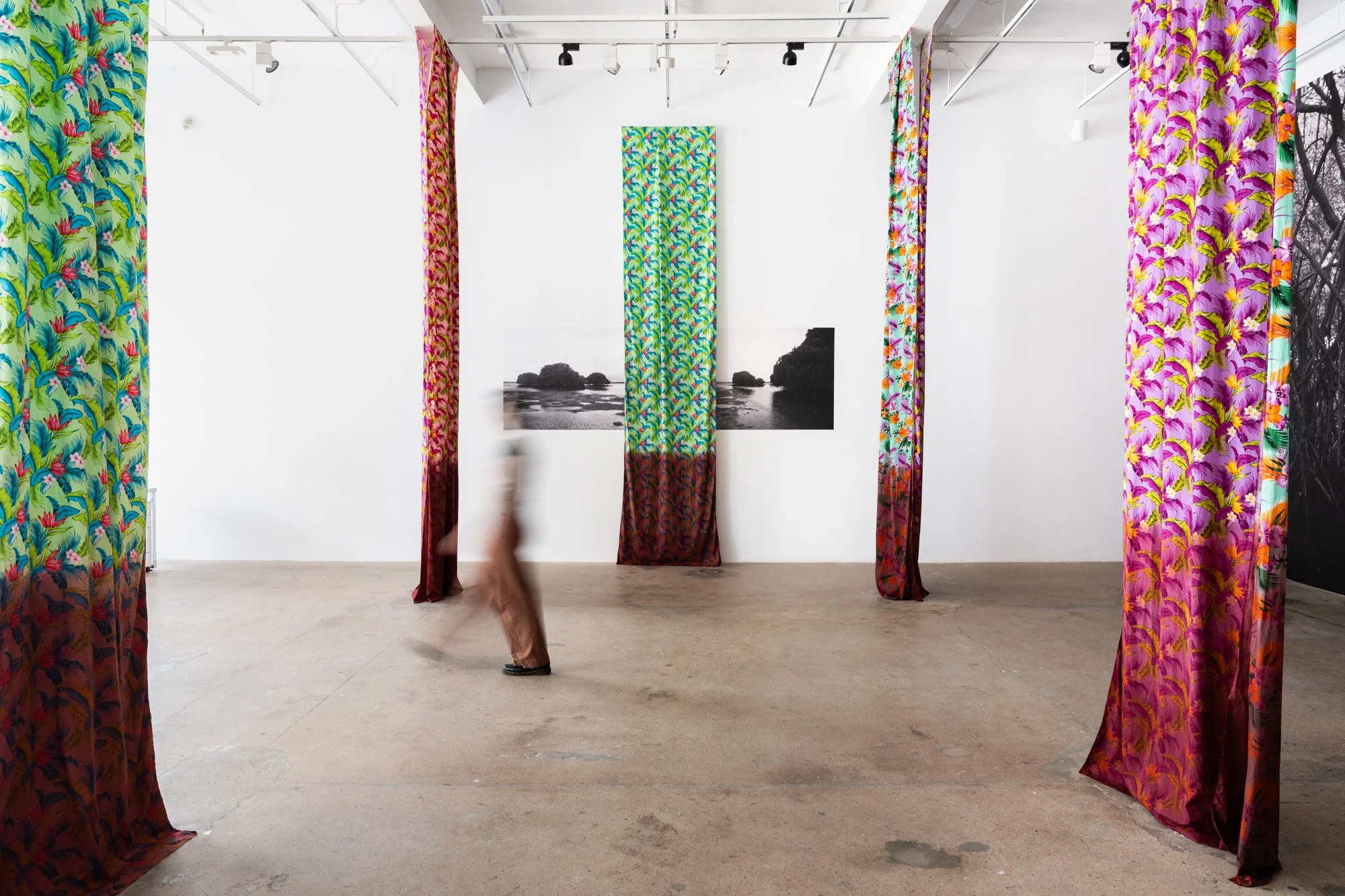
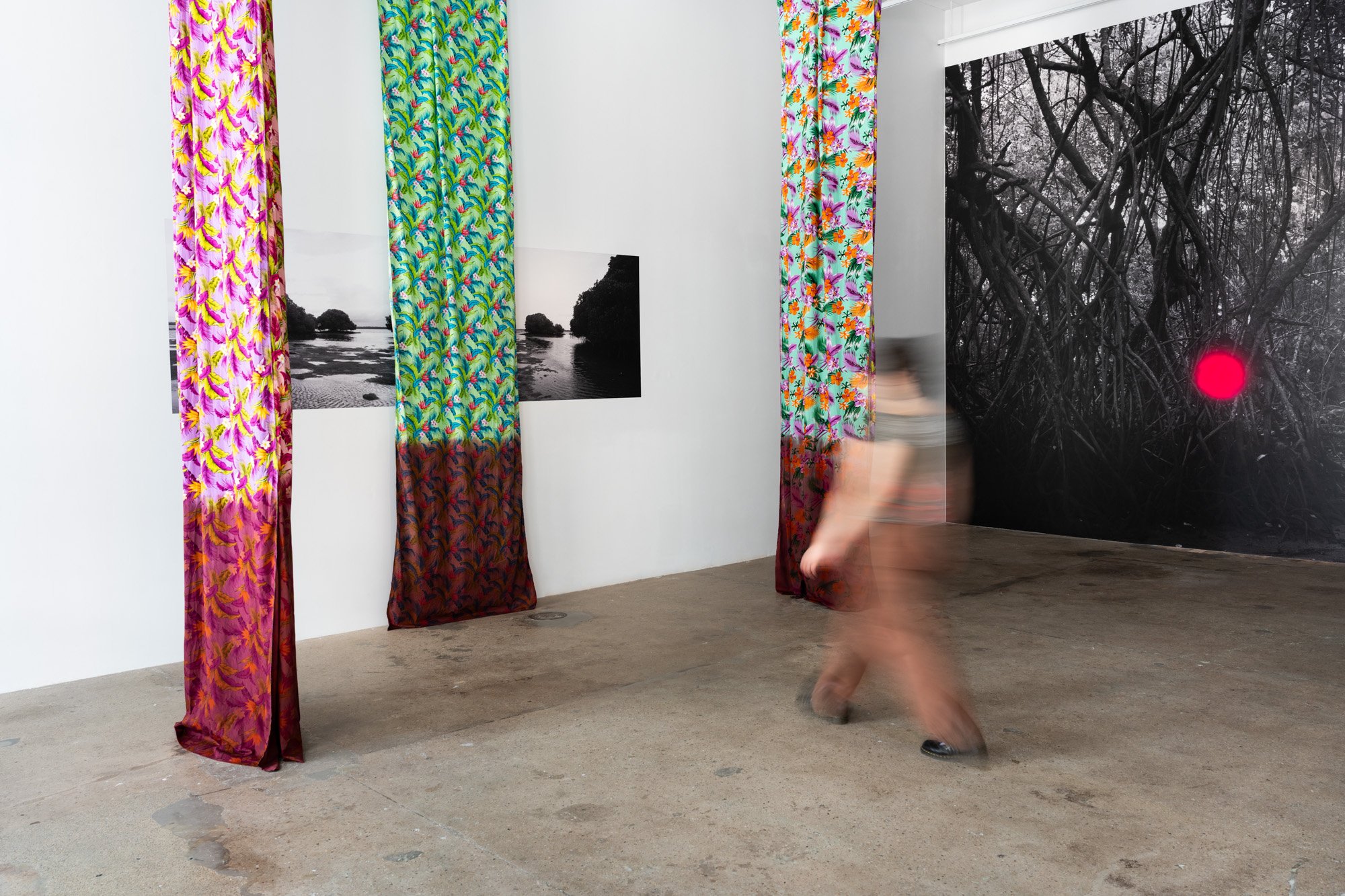
Homeplace is an immersive installation by multidisciplinary artist Karlina Mitchell that explores ideas of home, rising tides, and memories held within landscapes while reflecting on cultural practices lost to ecological disasters in the Pacific.
The work explores the feeling of home and the ingenuity of Fijian families in creating a sense of homeplace wherever they are. Drawing on ideas from bell hooks’ essay Homeplace, which describes home as a site of care, resistance, and cultural affirmation, the installation reflects on how domestic spaces, cultural practices, and landscapes sustain memory, belonging, and connection across generations.
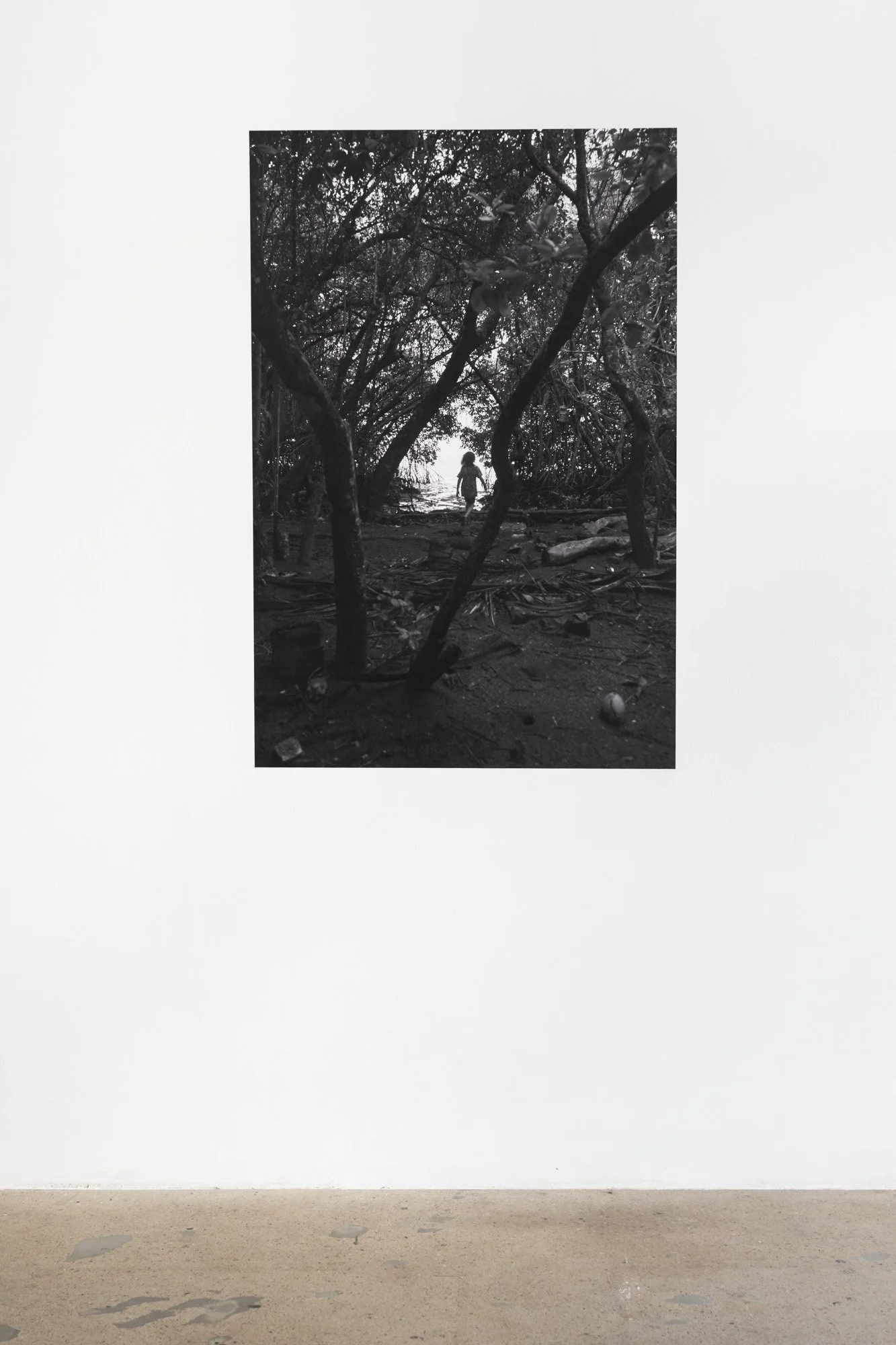
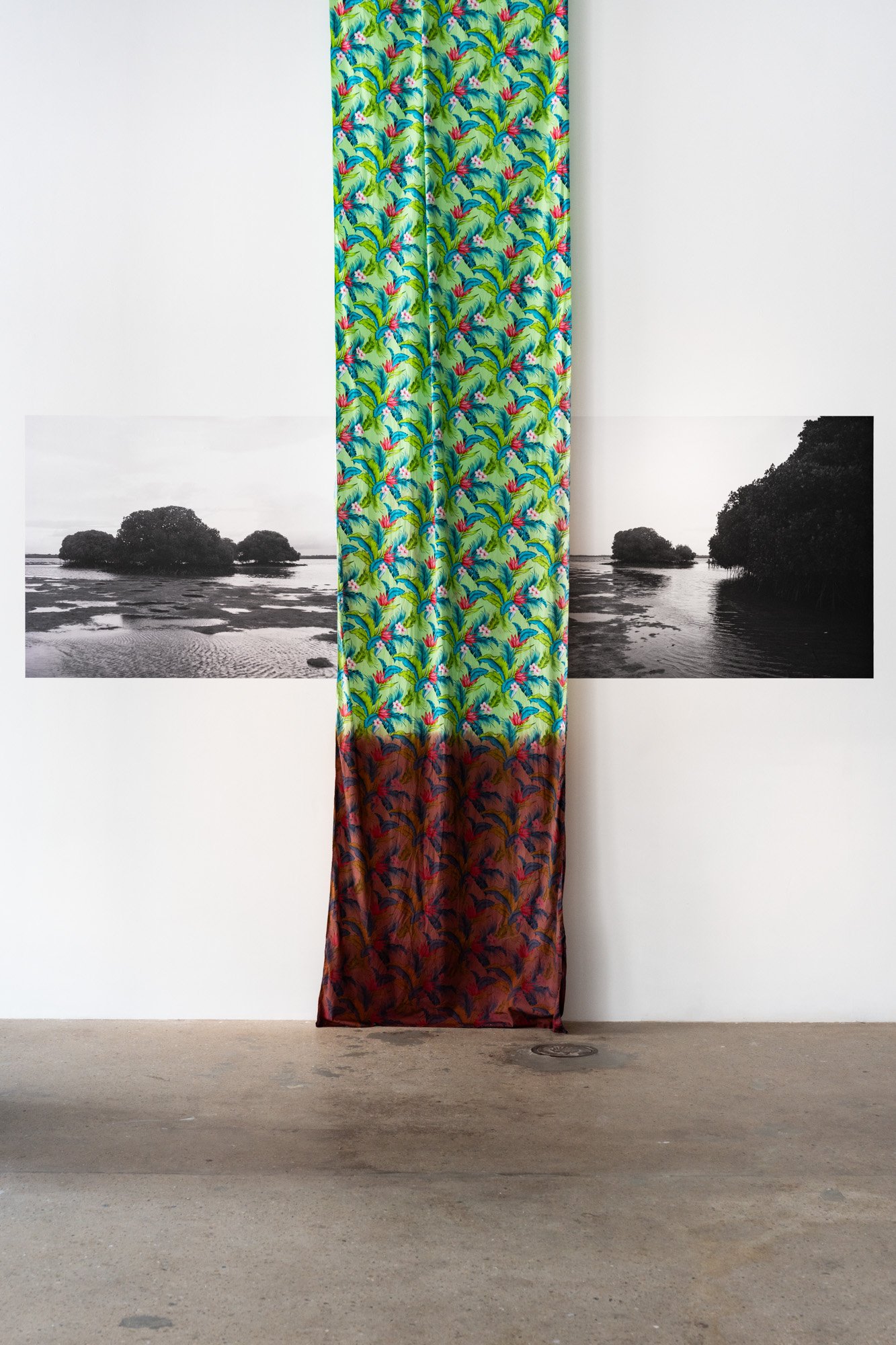
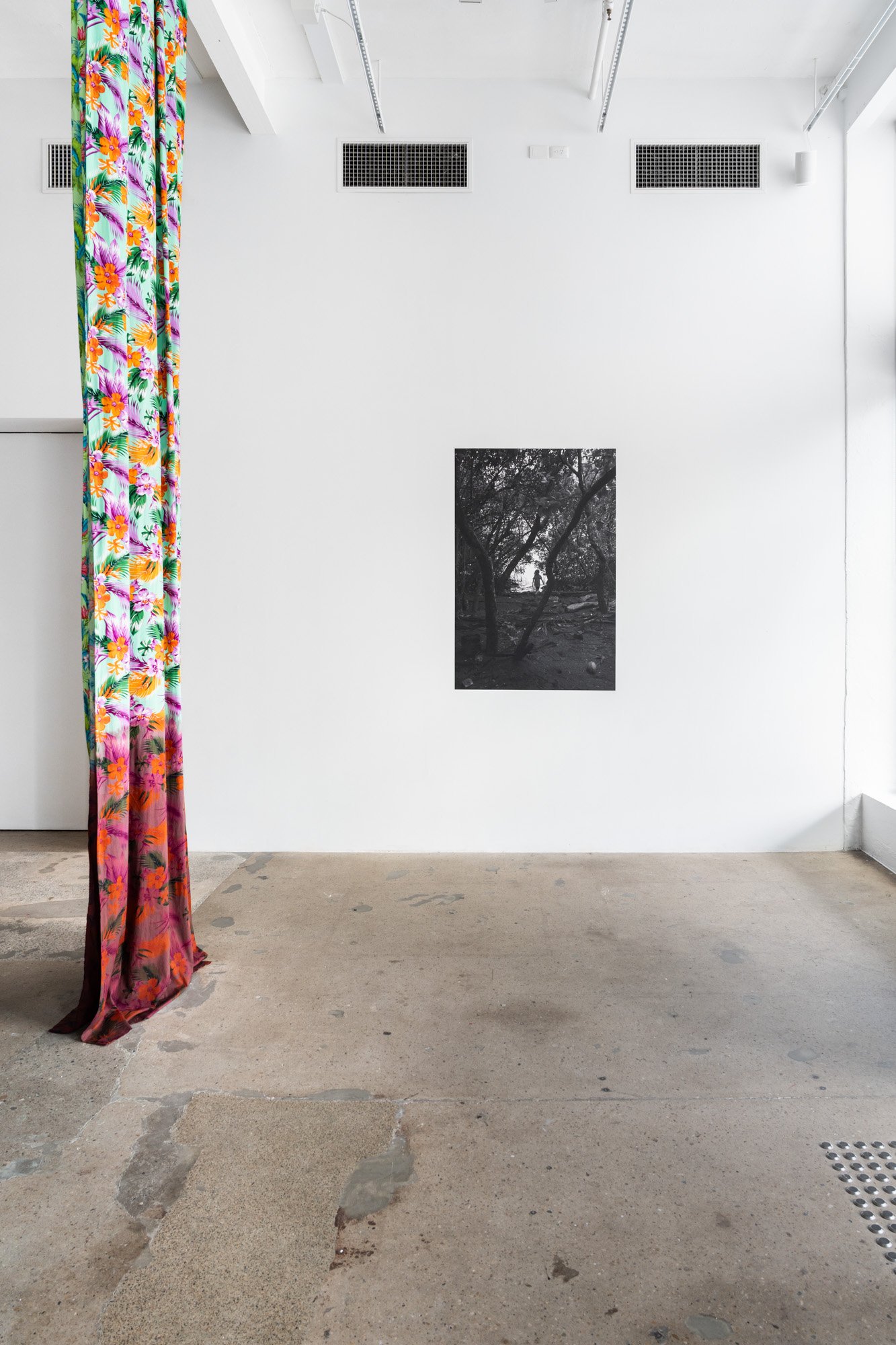
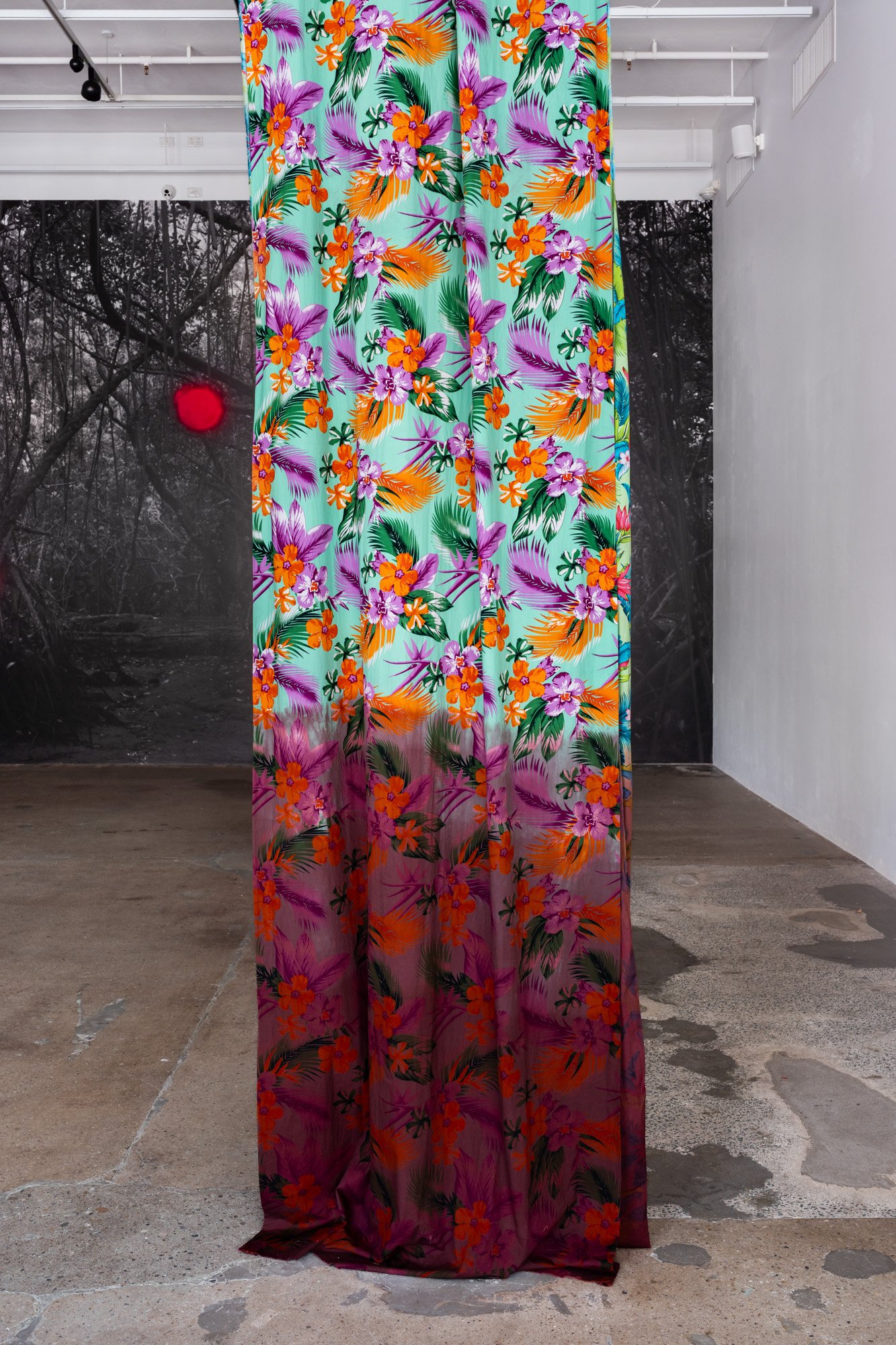
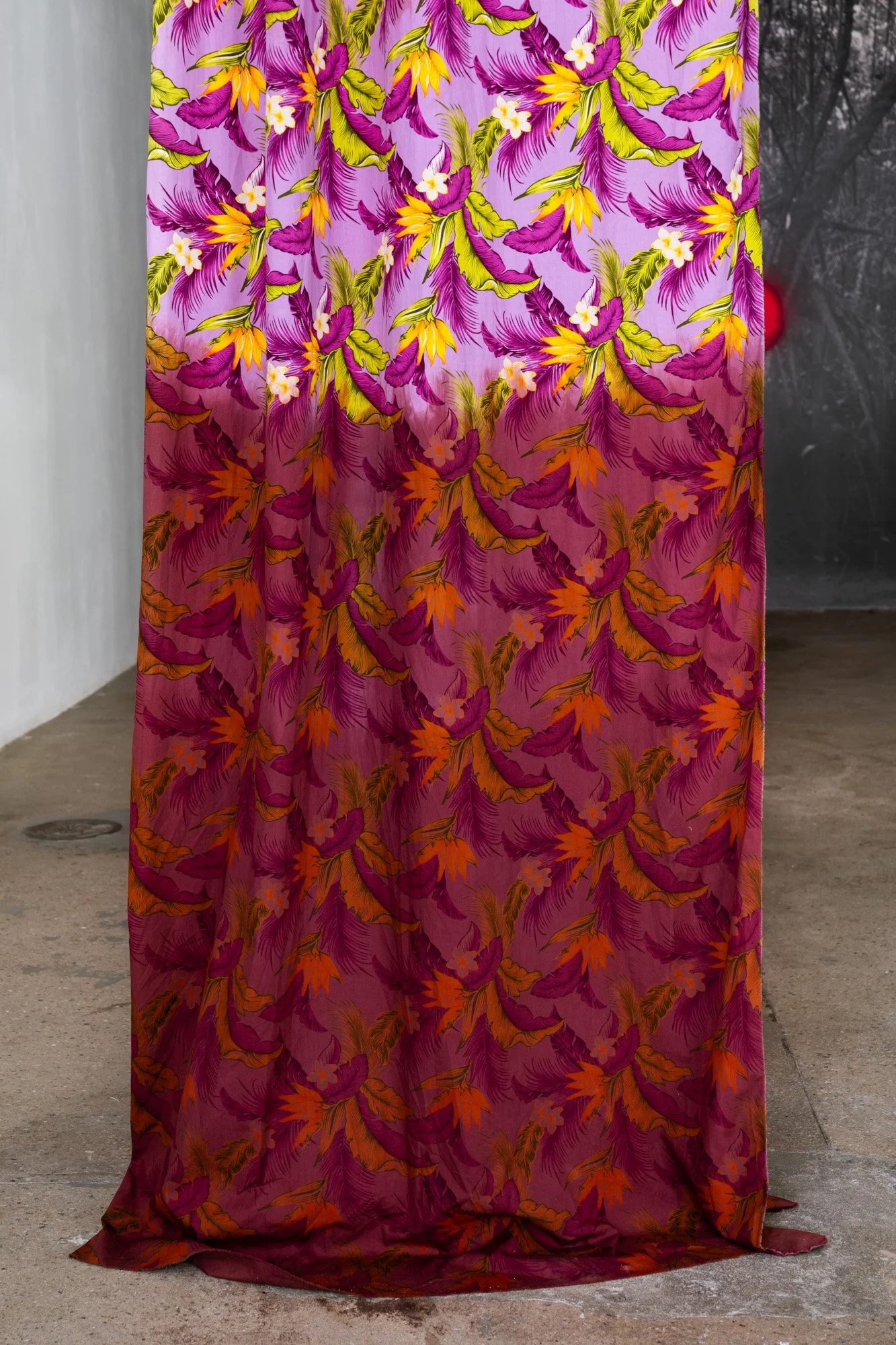
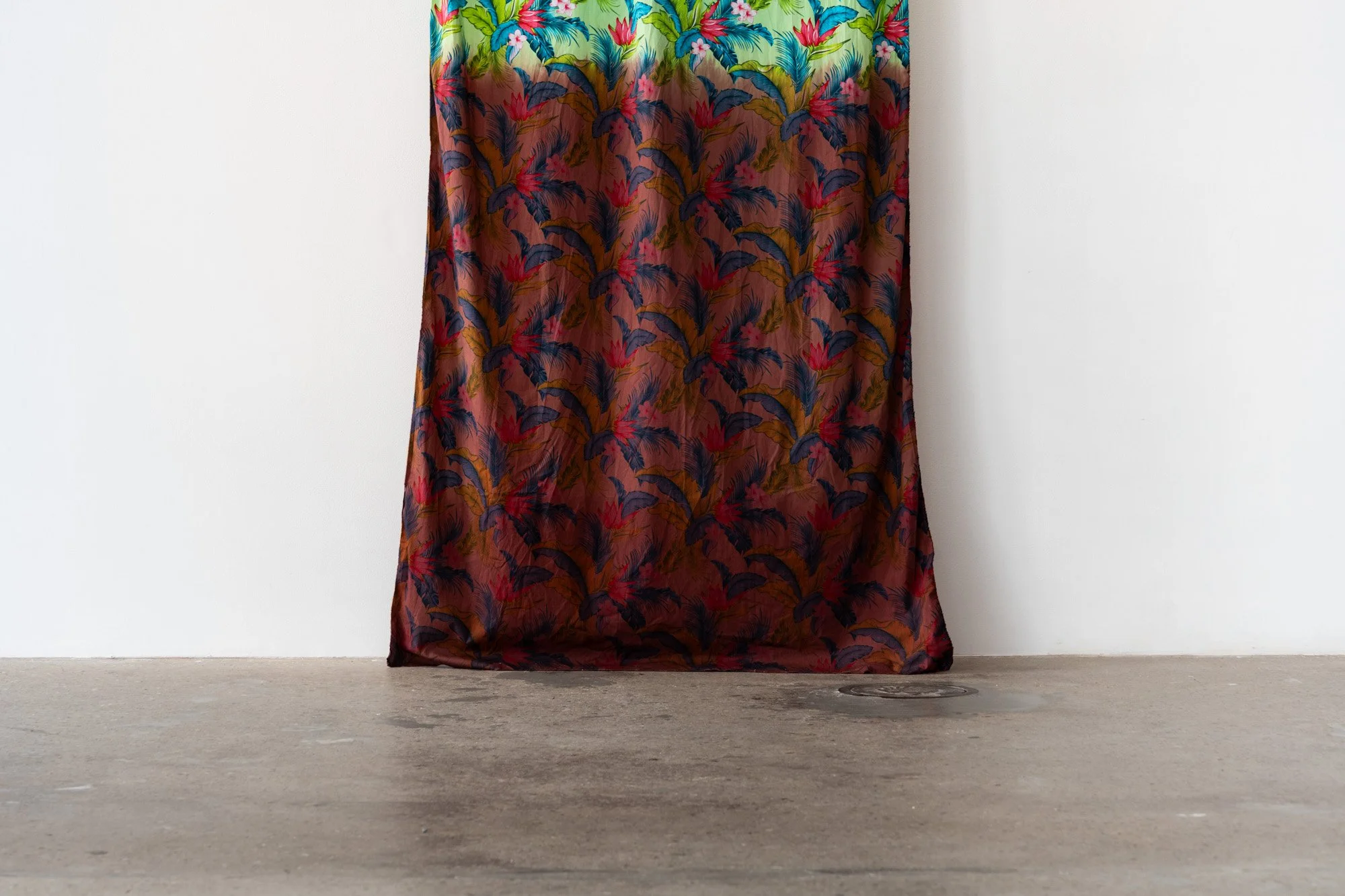
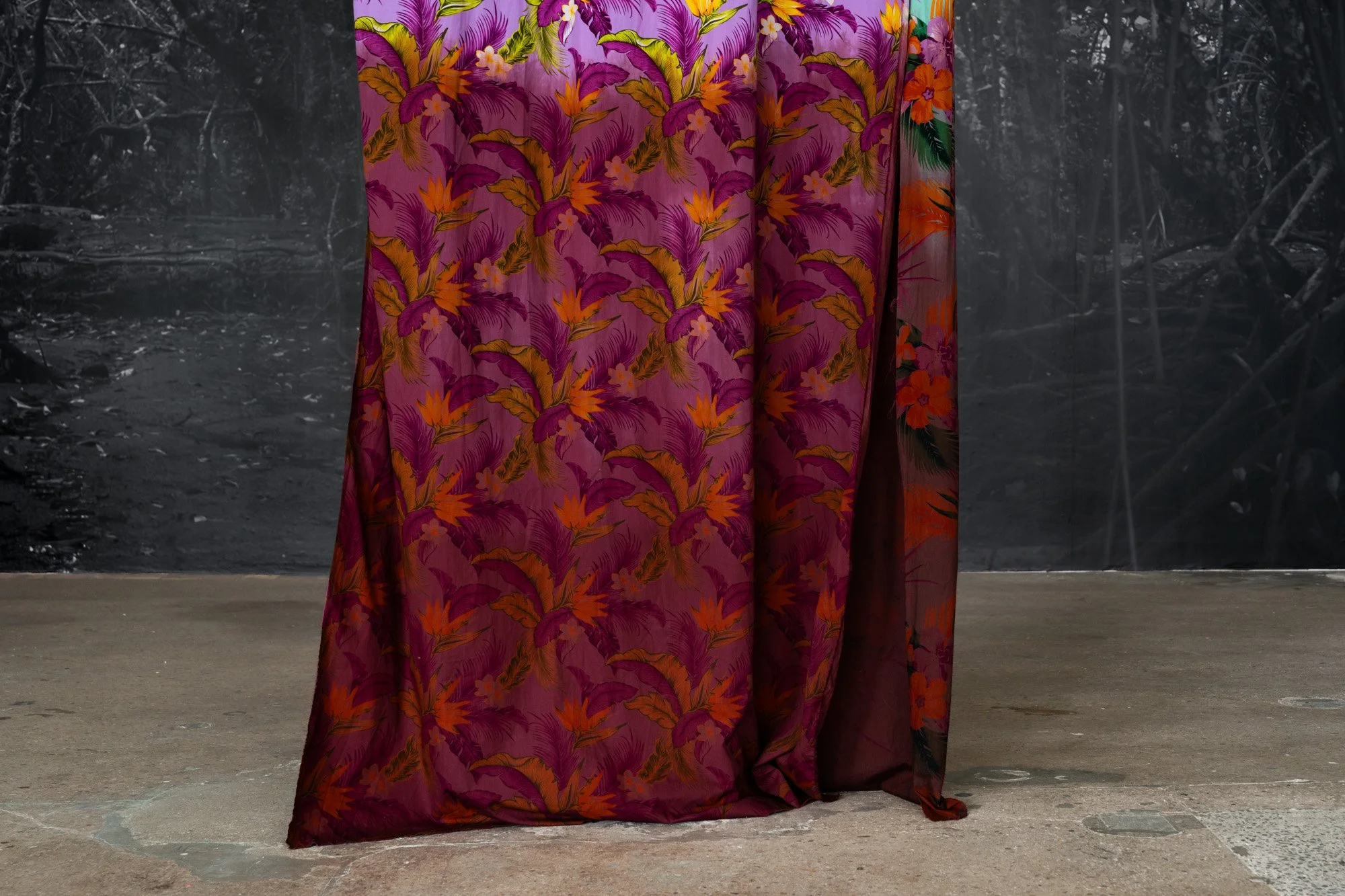
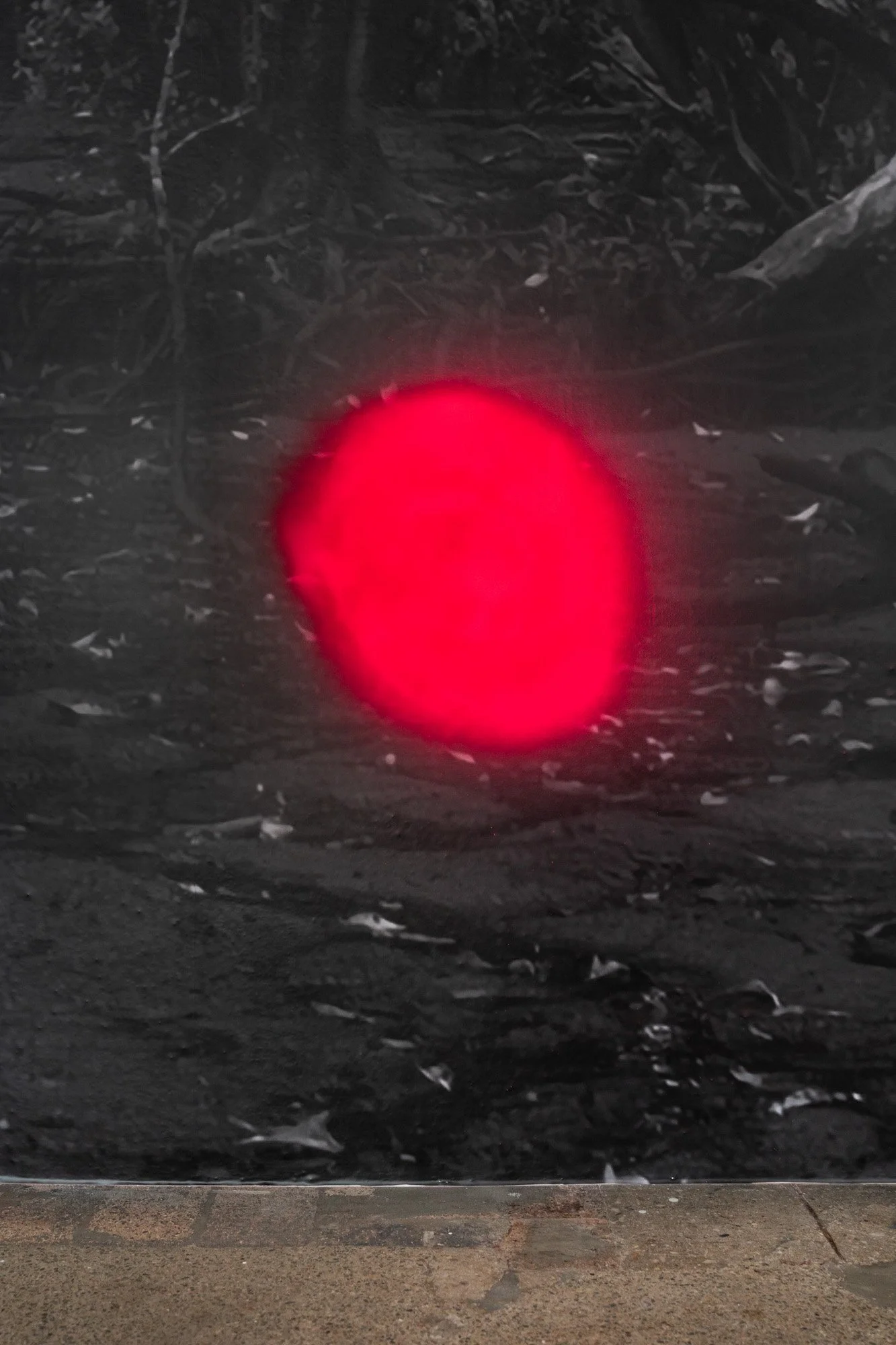
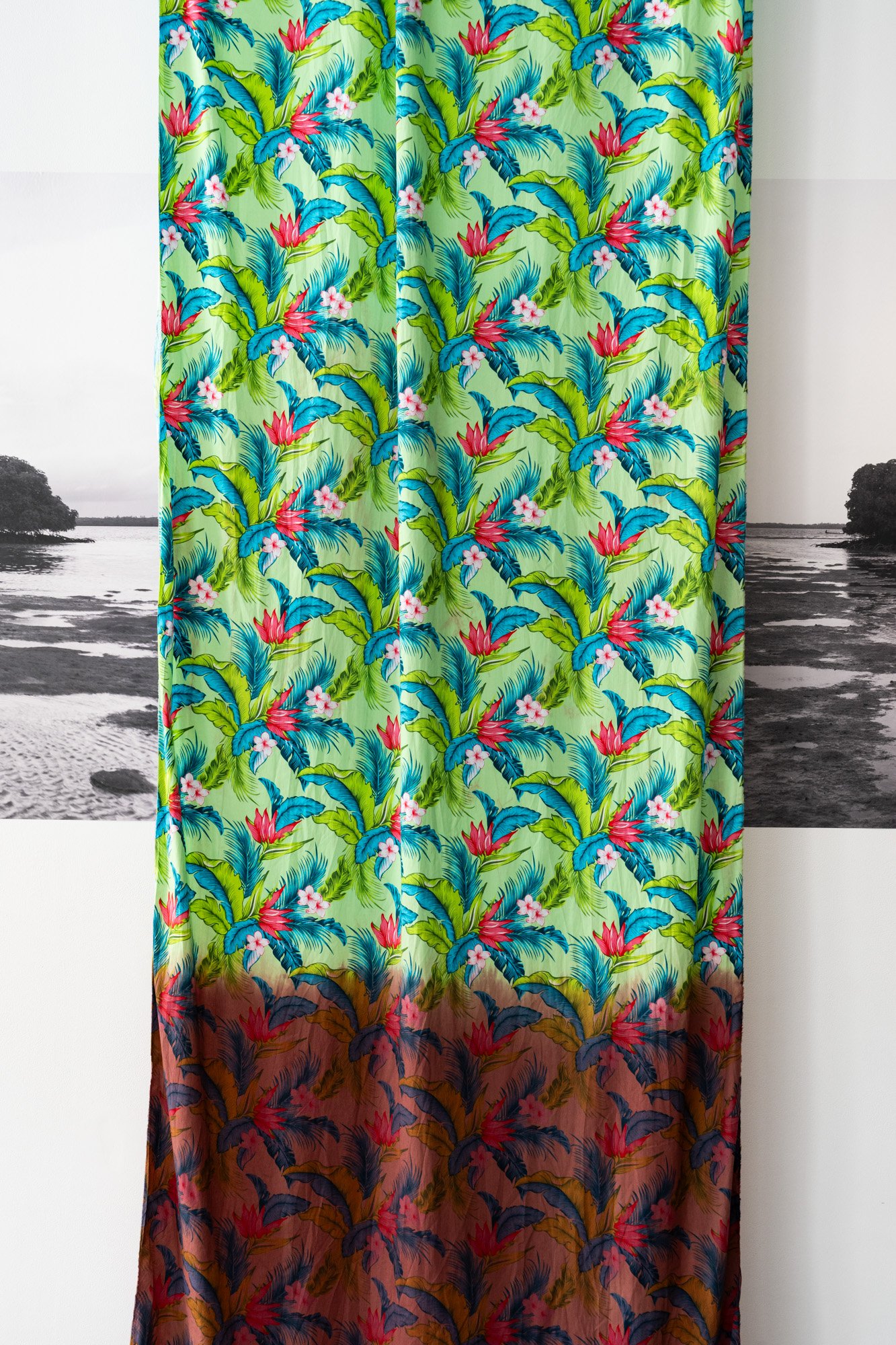
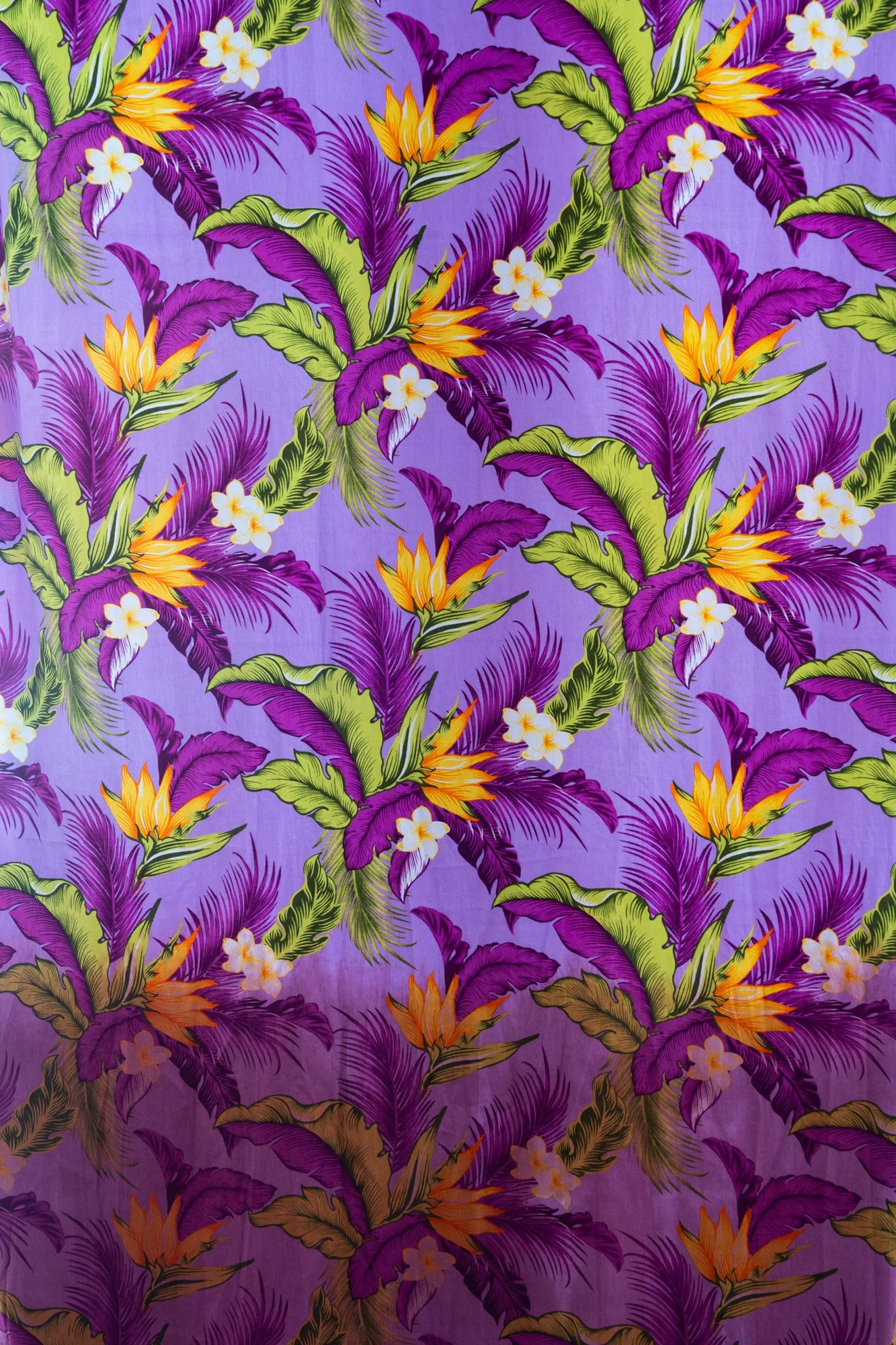
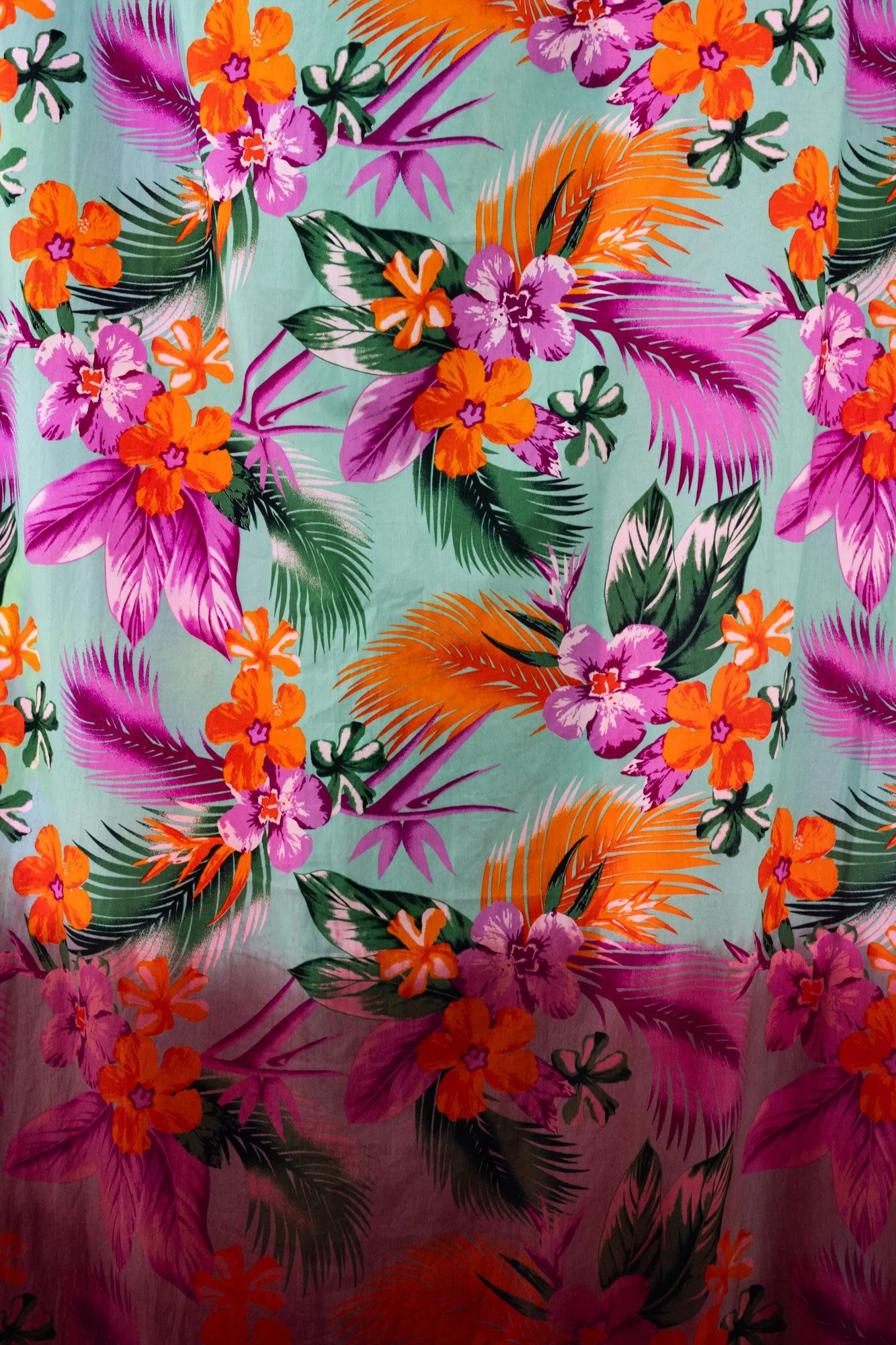
The exhibition features large-scale photographs of mangroves near the artist’s mother’s village, Vunivavai in Fiji, capturing sites along the journey from the village to the ocean. These images are framed by room-sized curtains made from Fijian Bula print, fabrics traditionally used to decorate the interior of homes in Fiji. Together, the photographs and curtains merge domestic and natural space, transforming the gallery into a homeplace within the landscape, inviting reflection on memory, migration, loss, and connection.
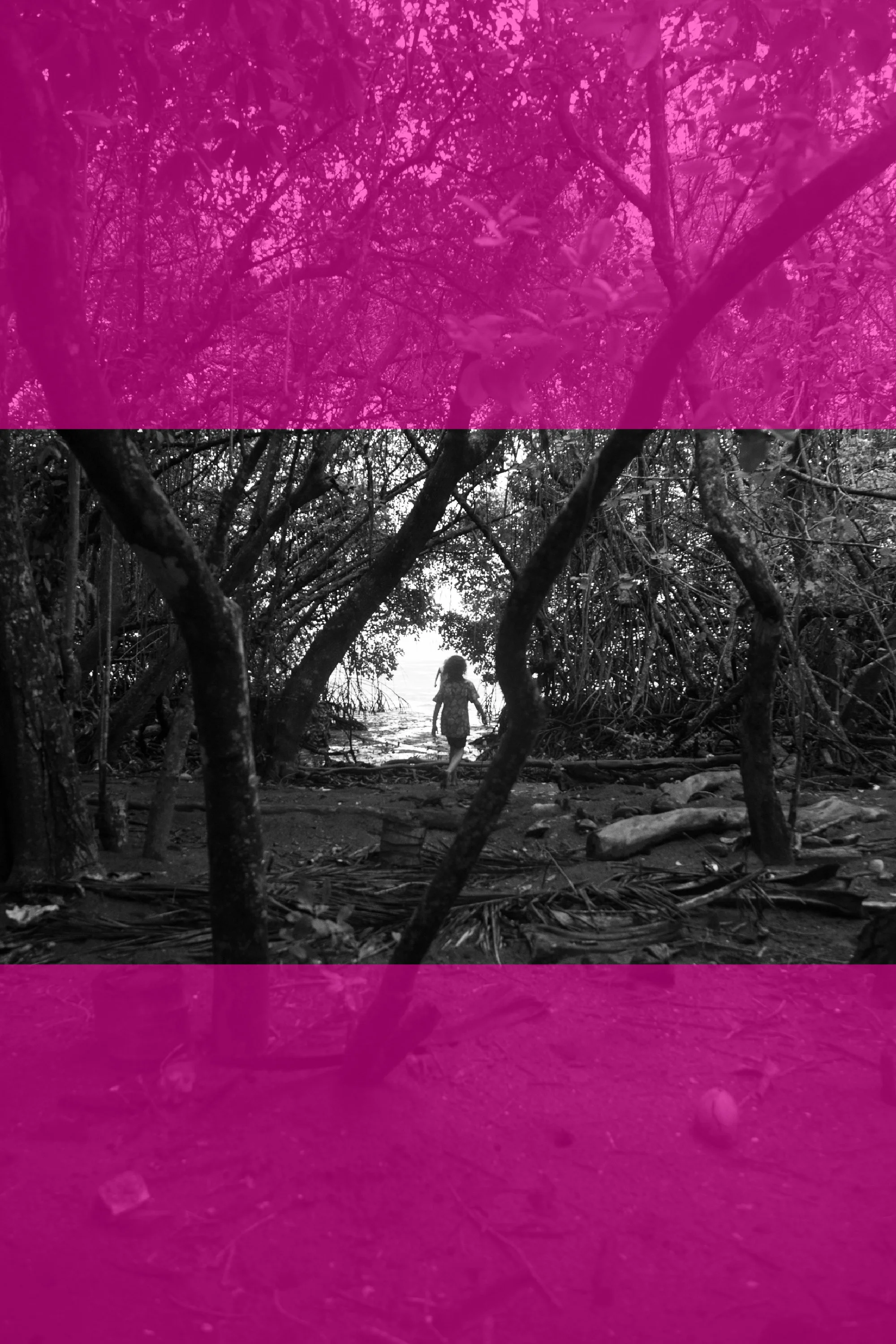
Image by and courtesy of the artist.
Karlina Mitchell is a multidisciplinary artist. Karlina works with photography and installation to interrogate the ways in which diasporic communities express notions of self and communal identity.
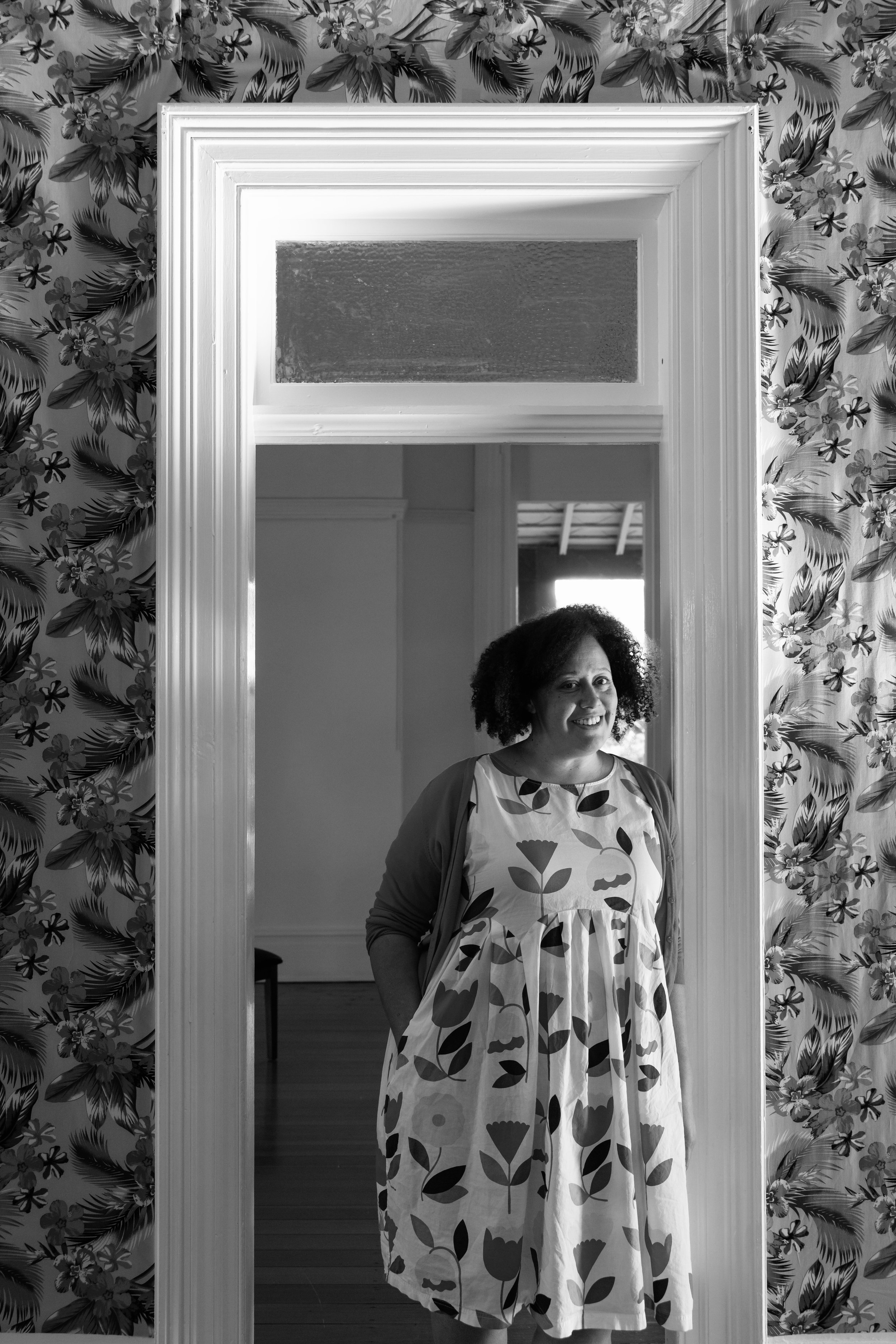
@karlinamitchell
Homeplace
Karlina Mitchell
20 March - 2 May 2026Outer Space
Open Wednesday to Saturday, 10am–5pm
420 Brunswick Street,
Judith Wright Arts Centre,
Fortitude Valley, QLD
Exhibition Text
By Nina Stromqvist
In Homeplace: A Site of Resistance, bell hooks writes: “In our young minds houses belonged to women, were their special domain, not as property, but as places where all that truly mattered in life took place. The warmth and comfort of shelter, the feeding of our bodies, the nurturing of our souls…” She continues, “the folks who made this life possible, who were our primary guides and teachers, were Black women.” READ MORE
DOCUMENTATION
Louis Lim
This project is supported by the Australian Government through Creative Australia.